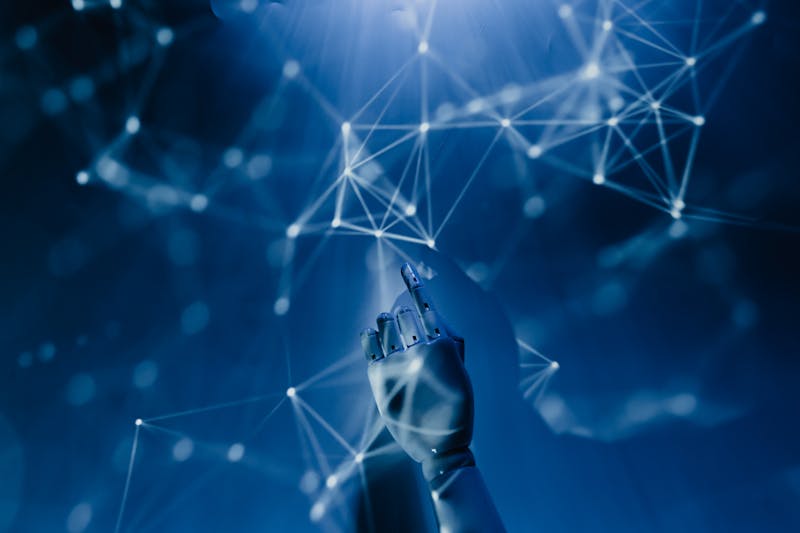
Artificial intelligence has emerged as a transformative force in the design industry, particularly in vector graphics generation. The ability to create scalable, professional-quality graphics using AI tools represents a fundamental shift in how designers approach their work. This technology not only accelerates the creative process but also opens new possibilities for innovation and efficiency.
As AI continues to advance, it challenges traditional notions of creativity and design expertise. The integration of machine learning algorithms with vector graphics creation tools offers unprecedented capabilities that were once the domain of skilled human designers. Understanding this evolution helps designers prepare for the future of their profession.
The Rise of AI in Vector Design
AI vector generation began with simple automation tools but has evolved into sophisticated systems capable of understanding design principles, aesthetics, and user intent. Modern AI tools can analyze millions of existing designs to learn patterns, styles, and techniques that produce visually appealing results.
The technology combines natural language processing with computer vision and machine learning to interpret text descriptions and convert them into vector graphics. This process involves understanding context, recognizing design elements, and applying artistic principles to create coherent visual representations.
The accessibility of AI tools has democratized vector graphics creation. Designers no longer need years of training to produce professional-quality vectors. AI serves as a collaborative partner, enhancing human creativity rather than replacing it.
How AI Vector Generation Works
AI vector generation typically involves several key components working together. First, natural language processing analyzes the user's text description, identifying key elements, styles, and requirements. Computer vision algorithms then help the system understand visual concepts and composition principles.
Machine learning models trained on vast datasets of existing vector graphics learn to recognize successful design patterns. These models can generate new vectors by combining learned elements in novel ways. The system refines its output through iterative processes, improving quality with each generation cycle.
Advanced AI systems incorporate style transfer techniques, allowing users to apply the aesthetic of famous artists or design movements to their generated vectors. This capability expands creative possibilities beyond traditional design constraints.
Key Benefits of AI Vector Tools
Rapid Prototyping
Generate multiple design concepts in seconds, allowing designers to explore more ideas and iterate faster than traditional methods.
Intelligent Assistance
AI learns from user feedback and preferences, providing increasingly personalized and relevant design suggestions over time.
Accessibility
Democratize design creation, enabling non-designers to produce professional-quality vectors without extensive training.
Endless Creativity
Combine concepts in novel ways that human designers might not consider, leading to innovative and unexpected results.
Time Efficiency
Reduce design time from hours to minutes, allowing creative professionals to focus on strategy and refinement.
Quality Consistency
Maintain high-quality standards across all generated vectors, eliminating variations due to human fatigue or inconsistency.
Current AI Vector Technologies
Several AI-powered tools have emerged as leaders in vector graphics generation. These platforms offer different approaches, from text-to-vector conversion to intelligent design assistance. Each tool brings unique capabilities that cater to different design needs and skill levels.
Some platforms focus on specific use cases like logo design or icon creation, while others provide comprehensive vector generation suites. The variety of options ensures designers can find tools that match their workflow and requirements.
The integration of AI with traditional design software represents another significant development. Popular programs now include AI features that enhance existing workflows rather than replace them entirely.
The Evolution of AI in Design
Early Automation
Basic automation tools for simple design tasks. Focus on repetitive elements and basic shape generation.
Machine Learning Integration
Introduction of machine learning algorithms for pattern recognition and style analysis in design software.
Generative AI Emergence
Breakthrough in generative AI leads to first text-to-image and text-to-vector tools for creative professionals.
Specialized Design AI
Development of AI tools specifically trained for vector graphics, logos, and professional design applications.
Advanced Integration
AI becomes integrated into major design software, offering intelligent assistance and automation features.
Collaborative AI
AI evolves into collaborative partner, learning from user preferences and providing personalized design assistance.
Challenges and Limitations
Despite significant advances, AI vector generation faces several challenges. Current systems may struggle with complex compositions requiring deep understanding of context and cultural nuances. The technology sometimes produces generic results that lack the unique character of human-created designs.
Quality control remains important, as AI-generated vectors may require manual refinement to meet professional standards. Ethical considerations around copyright and originality also emerge as AI tools become more sophisticated.
The learning curve for effectively using AI tools can be steep, requiring designers to understand how to communicate their vision clearly to AI systems. Not all design problems lend themselves to AI solutions, particularly those requiring emotional intelligence or cultural sensitivity.
The Future of AI-Enhanced Design
The future of AI in vector design looks promising, with several developments on the horizon. Improved natural language understanding will allow designers to provide more nuanced descriptions, resulting in more accurate and creative outputs.
Real-time collaboration between human designers and AI systems will become more sophisticated. AI could analyze design trends, predict user preferences, and suggest improvements based on data from successful designs.
The integration of AI with augmented reality and virtual reality technologies will open new possibilities for immersive design experiences. Designers may soon create vectors that adapt to different environments and user interactions.
Preparing for an AI-Driven Future
Designers preparing for the AI revolution should focus on developing complementary skills. Understanding design principles, user experience, and strategic thinking will remain crucial as AI handles technical execution.
Learning to effectively communicate with AI systems becomes essential. Designers need to master the art of providing clear, detailed descriptions that guide AI tools toward desired outcomes.
Ethical considerations and responsible AI use will become increasingly important. Designers should understand the implications of AI-generated content and develop practices for maintaining authenticity and originality in their work.
AI as Creative Partner
The most successful designers will view AI not as a replacement but as a powerful tool that enhances their creativity. By combining human intuition with AI capabilities, designers can achieve results that neither could accomplish alone.
Industry Impact and Adaptation
The design industry faces significant transformation as AI tools become more capable. Traditional roles may evolve, with designers taking on more strategic responsibilities while AI handles routine tasks.
Education and training programs will need to adapt, teaching students how to work effectively with AI tools alongside traditional design skills. The focus will shift from technical proficiency to creative direction and critical thinking.
Business models in the design industry may change, with new opportunities emerging for AI-specialized services and consulting. Companies that embrace AI early will likely gain competitive advantages in efficiency and innovation.
Conclusion
AI vector generation represents a fundamental shift in the design landscape, offering unprecedented capabilities for creating scalable graphics. While challenges remain, the benefits of speed, accessibility, and innovation make AI an essential tool for modern designers.
The future of design lies in the collaboration between human creativity and artificial intelligence. Designers who embrace this partnership will find new opportunities for innovation and professional growth.
As AI technology continues to advance, it will reshape how we think about design, creativity, and the role of technology in the creative process. The designers who thrive will be those who learn to harness AI as a powerful ally in their creative journey.
Experience AI Vector Generation
Try our advanced AI vector tools and see how artificial intelligence can transform your design workflow.
Start with AI